


Most stuffing boxes drip. That minor leak is their actual job. Real trouble starts when the fluid stops behaving like a standard drip. It could begin spurting. The box might run excessively hot. It could even throw out metal shavings. Gland packing on pumps, valves, and agitators is designed to weep slightly. The amount of weeping decides your next move. You will either tighten two nuts or take the gland off entirely during the next shutdown.
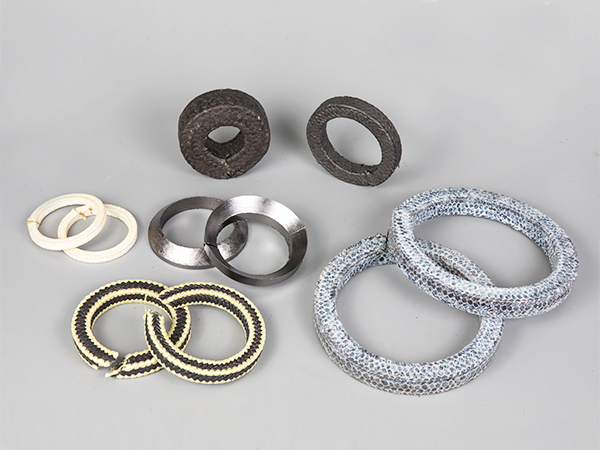
The first step in gland packing leakage troubleshooting is quite simple. You must stop calling every single issue a "leak." A slow drip represents one condition. A sudden spurt is another. A warm box is a third distinct failure. These conditions require three completely different solutions. Grouping them together often causes a basic adjustment to turn into a huge, costly teardown.
A thin layer of pumped fluid on a braided gland packing for valves shows a very healthy setup. This liquid acts as the cooler. It also serves as the main lubricant. If you squeeze the gland hard enough to block the fluid entirely, you eliminate that cooling effect. As a result, the box temperature shoots up rapidly. The dry packing will then grind against the sleeve at a much faster pace.
A sudden spurt points to a totally different problem. It normally means the packing has lost its required compression. Or, the liquid is finding a gap that should not be there. Heat that you can feel with your hand gives a warning long before a bad drip appears. Also, a drip might run thick. It could look discolored or carry solid bits. This is usually a sign of sleeve damage rather than a basic packing failure.
A slightly heavier drip is frequently just a seating issue. This holds especially true if the leak appears right after a system restart. A newly installed PTFE gland packing needs several operating cycles to settle properly against the sleeve. Plus, a gland left a bit loose will naturally weep more than desired.
This adjustment is the cheapest fix available. So, you should always try it first. Work the gland nuts down evenly. Take small, alternating steps while you do this. After that, watch the drip calm down. If the flow becomes steady and the box stays cool, your task is done. The packing still has plenty of working life left in it.
However, there is a strict limit to this approach. If tightening the nuts makes things worse, the adjustment has failed. The fix might also hold for just a few minutes. It could even cause the box to run extremely hot. The warning sign is quite clear. A healthy gland needs only a small, even squeeze. After that, it will maintain a light, steady weep.
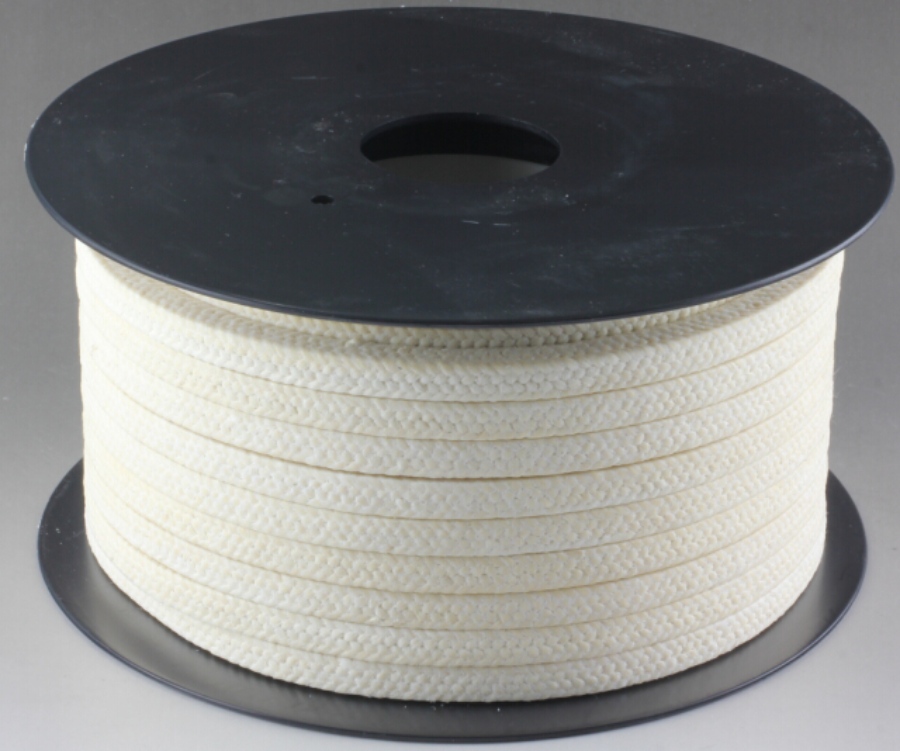
Packing is totally worn out when it no longer reacts to basic adjustments. It is also done when the light weep turns into a constant, heavy stream. The material compresses and relaxes during every single machine cycle. Over time, the braid flattens out. The fibers wear down. Eventually, the material cannot seal the gap at all.
A few quick visual checks make this decision much easier. A leak might slowly increase over several weeks. If this happens despite correct gland tension, it indicates worn packing. An early leak on a hot, corrosive, or abrasive fluid suggests a material mismatch. The graphite gland packing or PTFE grade was probably the wrong choice for that specific job. A line that leaks again right after a recent replacement usually points to a damaged sleeve. It could also mean a damaged gland face.
This exact situation is where the specification sheet becomes vital. The correct gland packing for valves or a pump shaft must match the real operating limits. It should not just match a popular brand name. SUNPASS graphite, PTFE, and aramid-PTFE packings each operate at a specific point on the scale. This scale includes pressure, speed, temperature, and chemical resistance:
| Packing type | Working pressure (bar) | Matching speed (m/s) | Temperature (°C) | pH |
| Pure graphite, PTFE-impregnated | 25/100/350 | 25/2.0/— | -200 to +280 | 0–14 |
| Pure graphite, cotton thread | 20/100/350 | 20/2.0/1.5 | -220 to +450 (steam +650) | 0–14 |
| Pure PTFE, with lubricant | 25/100/150 | 10/1.5/— | -100 to +280 | 0–14 |
| Acrylic-fiber PTFE braid | 20/100/10 | 15/2.0/— | -180 to +260 | 2–12 |
| Aramid/PTFE anglewoven | 30/200/250 | 20/3.0/— | -100 to +260 | 2–12 |
You must read the data chart carefully. The "—" symbol next to high static-pressure numbers means something specific. It indicates that speed is not specified for that particular grade. So, do not assume the packing will rotate fast under high pressure. A PTFE gland packing might work perfectly on a clean, cool line. However, it might fail completely on a hot, high-speed shaft. Always match the specific grade to the actual working conditions. Do this before blaming the maintenance technician.
The most commonly misdiagnosed failure happens when packing is replaced, but the leak returns right away. The frequent cause is a shaft sleeve that has become worn. It might be deeply scored or out of round. Packing can only seal effectively against a smooth, intact sleeve surface. If the metal is damaged, no new braid will stop the fluid flow.
You need to look closely for specific signs. Watch for a drip that carries metal particles. Look for a colored film on the fluid. Notice if the packing burns through at a short, predictable interval. Check for unusual heat on just one side of the box. During the next shutdown, remove the gland entirely. Inspect the sleeve for deep grooves, pitting, or flat spots. Next, check the gland face in the exact same way. Installing new packing on a ruined sleeve means you will pay twice for the exact same leak.
The practical troubleshooting procedure is quite short. First, observe the drip carefully. Then, check the box temperature. Next, try a small, even tightening sequence on the nuts. See if the packing responds in a positive way. Only after these steps should you make your choice. You can either re-tension the gland, replace the packing, or inspect the sleeve. Follow this order correctly. By doing so, a simple repair will not turn into a repeated failure.
A leak provides highly valuable information. It is not always a final failure. A steady, light weep indicates the gland is working correctly. A leak that ignores a small, even squeeze shows a different reality. It means the packing has reached the end of its useful life. A leak might persist after installing new packing. It might also return with solid particles. If so, you must inspect the metal sleeve immediately.
Always match the packing grade to the real system pressure. Consider the shaft speed, fluid temperature, and chemical environment. By doing this, each maintenance call becomes much shorter. Also, the time between repairs grows significantly longer. The operating numbers might point toward a specific material. When they do, a reliable gland packing supplier can help. They will verify the selection against your actual system data.
A light, steady drip is completely normal. A thin layer of the pumped fluid is also fine. This minor weep cools the packing material. It also lubricates the setup. On the other hand, a bone-dry gland is a serious warning sign. A continuous stream is bad. A sudden spurt or a box that runs very hot are also major red flags.
You should try a small, even tightening sequence first. The drip might slow into a steady, light weep. If the box remains cool, the packing is still in good condition. However, the adjustment might only help for a brief moment. It might make the leak worse. It could also cause the box to run extremely hot. If any of these happen, you must replace the packing.
Yes, it certainly can do that. Over-tightening completely removes the required cooling weep. Because of this, the packing and the sleeve run very hot. They will wear out much faster. The leak will often return much sooner. This happens much faster than it would with a properly adjusted gland.
A leak might return immediately after a fresh installation. This usually indicates an underlying mechanical issue. The shaft sleeve or the gland face is likely worn out. It could be deeply scored or out of round. You must inspect the sleeve carefully at the next system shutdown. Do this before you install new packing a second time.
Yes, the type absolutely matters. System pressure and shaft speed play huge roles. Fluid temperature and chemical compatibility also determine the working limits of every single material. Because of this, a packing chosen for one specific duty might fail quickly in a totally different application. Matching the exact grade to the real working conditions determines its total lifespan.
Sunpass Sealing Technology (Zhejiang) Co. LTD
• Zhejiang Top Sealing and Insulation Co.,Ltd.
• Echo Industry Limited
• Tenglong Sealing and Thermal Insulation Manufactory
 Add: No. 78 West Road Zhenxing, Lianghui Industry Zone, Yuyao, Zhejiang, China
 Tel: +86 574 62837603
 E-mail: sales@sealings.cn