


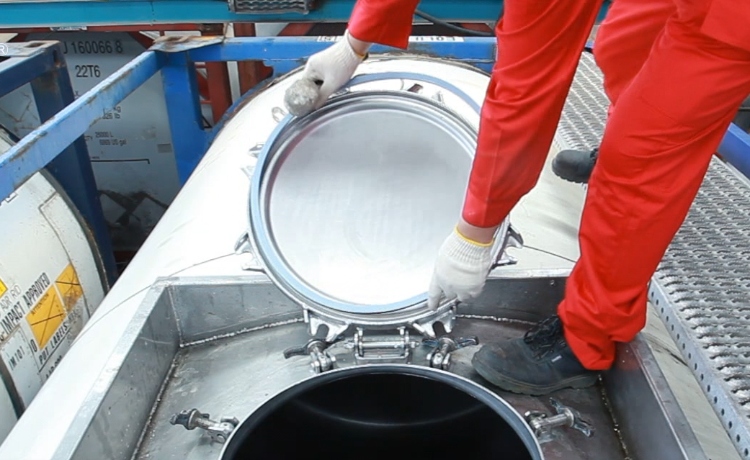
Moving chemicals, oils, and food items across the globe depends on tough sealing systems. Even a tiny ISO tank leakage can cause huge problems. It leads to lost cargo, fines for environmental damage, and high cleaning bills. It also causes late arrivals and legal trouble. For people who run these tanks or build them, good ISO tank sealing is not just about fixing things. It is now a key part of keeping workers safe and protecting valuable equipment.
We are a top supplier for famous tank container manufacturers worldwide. Our sealing products have a market presence in over 60 countries. We work very closely with fleet owners, repair shops, and valve makers. From our years of work in the field, we see that most leaks come from the same few sealing problems. Learning why these happen is the first move toward better tank leak prevention.
Most cases of ISO tank leakage happen because the seals wear out, not because the metal tank breaks. The manlid area and valve joints are the most common spots for trouble. Rotating parts in the seals are also quite weak points.
An old tank lid seal might stop being springy after you open and close it many times. Strong chemicals and changing pressure make this worse. Fast temperature shifts and bad installation also hurt the seal. At the same time, people often forget about gland packing. This can create small, hidden paths for leaks. You might not even notice them until you see product dripping out.
When we look into repairs, we find that leaks usually don't happen all at once. Instead, small flaws build up over many months. This is why checking things early is the heart of any tank leak prevention plan.
The tank lid seal is the main wall between the cargo and the outside world. If this seal loses its shape or its bounce, the holding pressure drops. When that happens, a leak becomes much more likely.
Old-style rubber seals often have a hard time with tough acids or strong cleaners. They can also fail during high-heat washing. Seals made only of PTFE are great at resisting chemicals. However, they can slowly change shape under heavy pressure. This is known as cold flow.
To fix these issues, new seals mix FDA food-grade PTFE with tough EPDM rubber. The PTFE skin handles chemicals from pH 0 to 14. Meanwhile, the EPDM inside keeps pushing back to stay tight. This mix makes ISO tank sealing much more dependable when the work gets tough.
People often look at the big lid first, but gland packing is just as vital. Valves and pressure parts need correct gland packing to keep the liquid inside. If the packing is not right, the whole tank is at risk.
As time goes by, gland packing gets squashed and loses its grip. Friction and heat make it old and brittle. If gland packing maintenance is pushed back or ignored, the seal gets loose. This creates tiny gaps where leaks can start.
A big error is waiting to see a leak before doing any work. In the real world, good gland packing maintenance should follow a set plan. You must look at how often the tank is used and what kind of cargo it carries. Pressure levels also matter a lot.
Keeping the packing in good shape does more than just stop ISO tank leakage. It also makes the valves last longer. This saves a lot of money on repairs over the life of the tank.
Tanks face a lot of shaking and bouncing while moving. Whether on a truck, a train, or a ship, the seals are always under stress. This constant movement puts a heavy load on every part of the ISO tank sealing system.
One thing people often miss is the "water hammer" effect. When a liquid moves fast inside the tank, it hits the walls and seals like a hammer. This shock happens over and over. It can slowly tire out a tank lid seal and make it fail early.
Heat and cold also cause trouble. Cargo might travel through a hot desert and then a cold port. This makes the liquid grow and shrink. Cheap seals often can't handle this and stop pressing tightly. This is a major cause of ISO tank leakage.
Tough seals must do more than just block chemicals. They have to survive vibration, heat shifts, and steam cleaning. Good ISO tank sealing must be ready for all these challenges at once.
The materials you pick will decide if the tank stays dry. Different types of technology offer different levels of safety for your cargo.
|
Product Type |
Chemical Resistance |
Typical Sealing Performance |
Food Contact Suitability |
Key Limitation |
|
Rubber Seal |
Limited to moderate |
3-6 months in many working conditions |
Limited |
May age, swell, or deform under chemicals and long-term pressure |
|
PTFE Manlid Seal |
Good chemical resistance |
About 2-3 days pressure retention |
Food-grade option available |
May show weaker sealing after immersion and repeated use |
|
Pure PTFE Manlid Seal |
Excellent |
Over one week pressure retention |
Good |
Strong chemical resistance but limited rebound compensation |
|
Super Tank Seal |
Excellent, pH 0-14 media compatibility |
12-24 months under normal conditions; up to 48 months under special conditions |
Excellent with 100% virgin/FDA food-grade PTFE |
Requires correct size selection and installation |
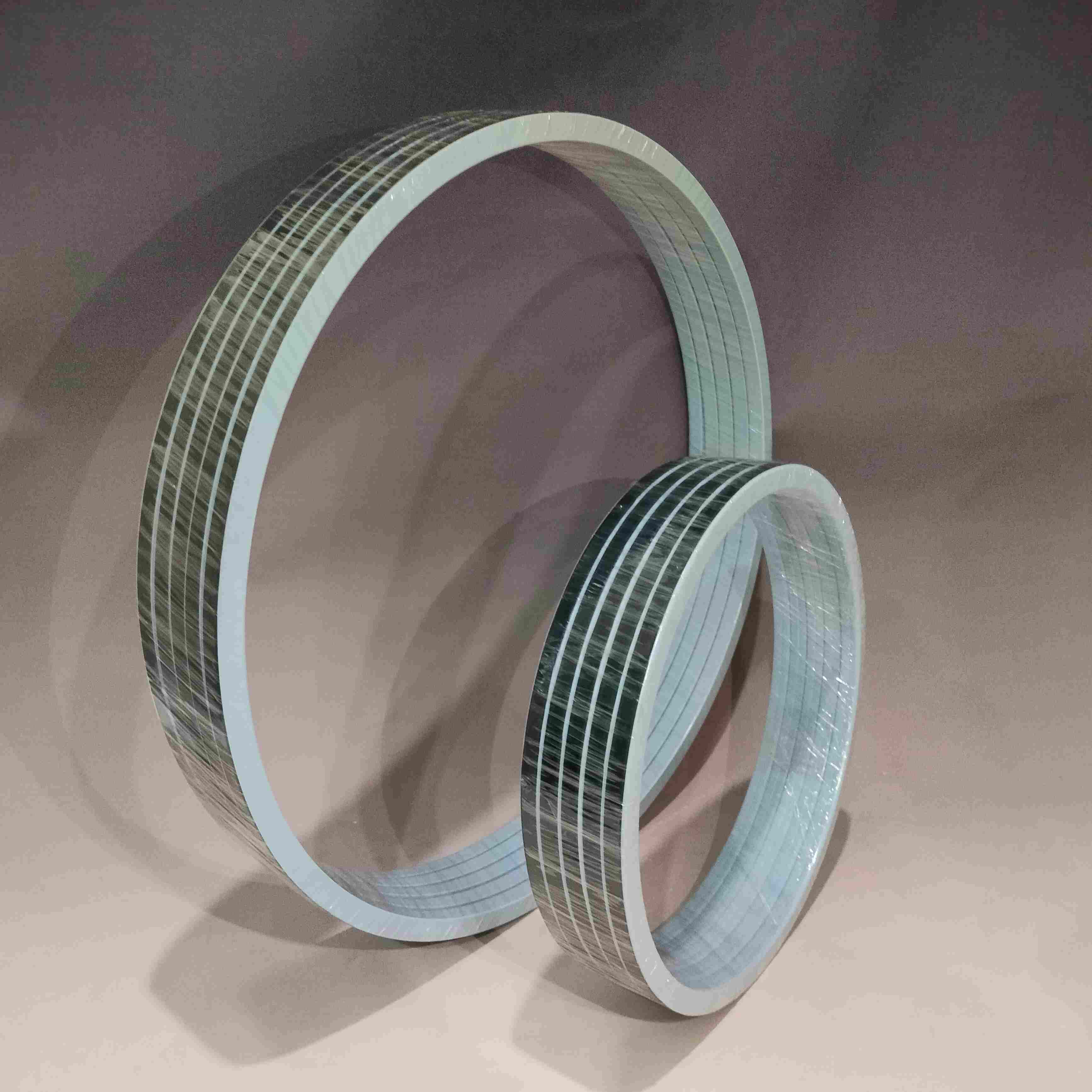
The Super Tank Seal uses a smart design. It has an EPDM core for bounce and PTFE on three sides for protection. It offers chemical safety and stays in shape for a long time. Under special working conditions, these seals can last up to 48 months, helping reduce replacement frequency by more than 60% compared with conventional sealing options.
We also use FDA food-grade PTFE. This means you don't have to worry about tainting food, drinks, or oils during transport.

Stopping a leak starts long before the tank leaves the yard. Operators need a solid plan. This plan must include checking the tank lid seal and all valve parts. You should also look at the state of the gland packing and the metal surfaces where they touch.
Don't wait for a seal to break. Swap them out based on how the tank is used. Testing the tank's ability to hold pressure can show you if a seal is getting weak. During every service, workers should also clean the grooves and check the bolts.
Product Portfolio Overview
The Super Tank Seal series covers multiple sealing needs for tank containers. Super Tank Seal is a high-performance manhole seal designed for strong chemical resistance and long service life in demanding transport conditions. PTFE Manlid Seal is used for general applications requiring basic chemical resistance in tank container lids. Pure PTFE Manlid Seal provides improved sealing stability for medium-duty chemical and food transport conditions. Rubber Seal is a cost-efficient sealing option for standard industrial tank environments. O-Ring is used for auxiliary sealing in valves and connection systems. Metal Winding Pad is designed for high-pressure flange compensation and mechanical stress conditions. Pure EPDM Gasket offers strong elasticity and temperature adaptability for dynamic sealing systems. Natural Rubber Seal is applied in general-purpose industrial tank sealing where flexibility and basic resistance are required.
One-Stop Service Capability
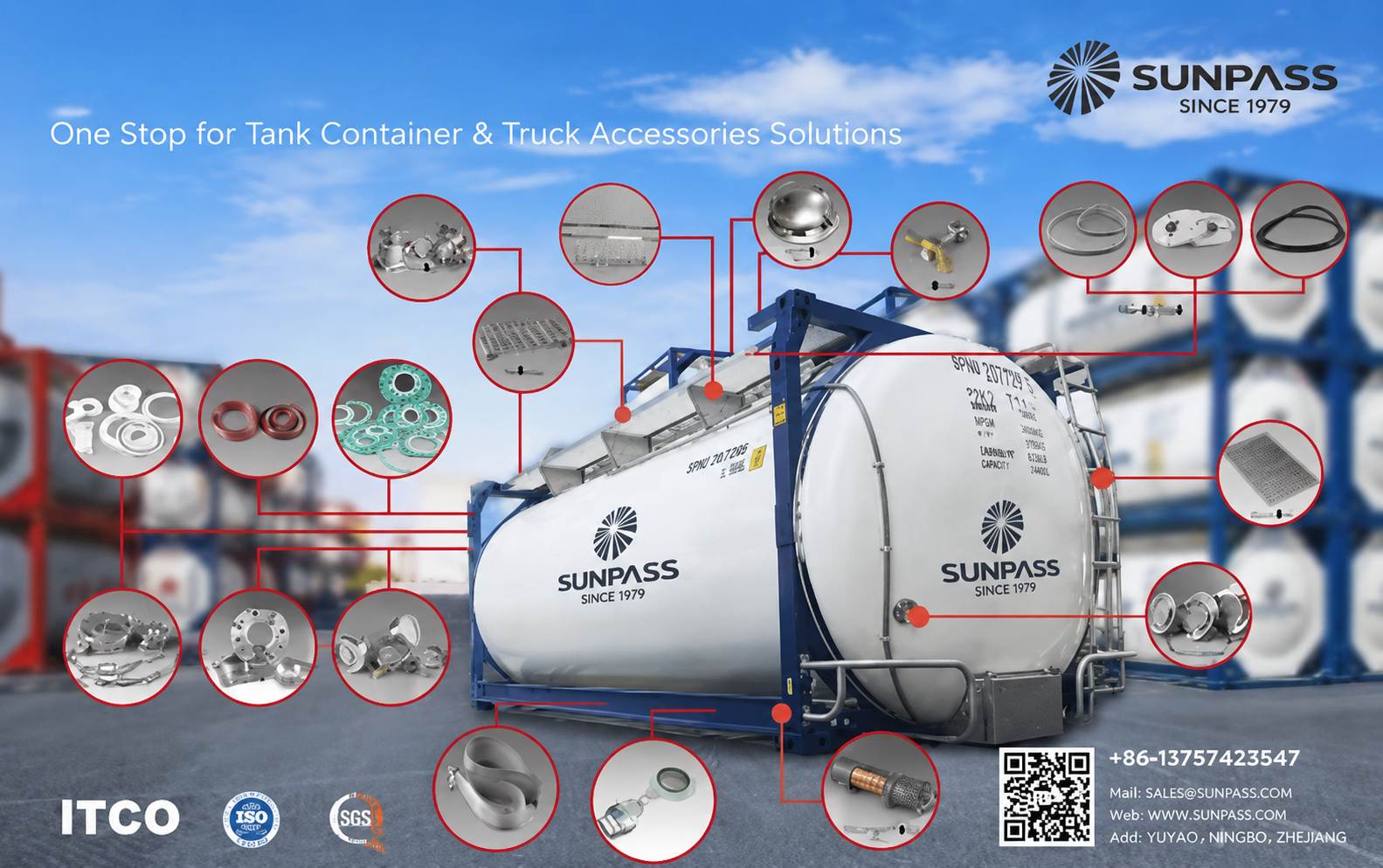
Sunpass Sealing is a high-quality supplier to a globally renowned container manufacturing company, with a market presence in over 60 countries worldwide. Our service system focuses on providing stable sealing solutions for tank container manufacturers, valve producers, and maintenance operators across chemical, food, and industrial transport applications.
With a fully integrated production system, we control the entire process from raw material inspection to final quality testing. Supported by vacuum high-pressure equipment and over 20 years of mature manufacturing craftsmanship, we ensure consistent product performance, stable batch quality, and reliable delivery for global supply chain requirements.
Most ISO tank leakage happens for reasons we can predict. A weak tank lid seal or bad gland packing is usually the culprit. Skipping gland packing maintenance or picking the wrong materials also leads to failure. Sudden pressure jumps only make these problems worse.
Real ISO tank sealing is about more than just a quick fix. It requires the right materials and a smart way of making them. You also need a plan to check them often. Products must be built for the tough life of a transport container.
If you want long-term tank leak prevention, it pays to use better seals. It keeps your cargo safe and cuts down on repair work. In the end, it makes your whole business run more smoothly.
You should check it on a regular schedule. Don't wait for a leak. The timing depends on what you are hauling and how often the valves turn.
FDA food-grade PTFE is the top choice. It does not react with food and keeps everything clean. It is perfect for oils and food ingredients.
No seal lasts forever. But if you use good ISO tank sealing parts and check them often, you can stop almost all leaks before they start.
They upgrade because these seals are tougher. They handle chemicals better and stay springy for years. This makes tank leak prevention much easier for the fleet owner.
Sunpass Sealing Technology (Zhejiang) Co. LTD
• Zhejiang Top Sealing and Insulation Co.,Ltd.
• Echo Industry Limited
• Tenglong Sealing and Thermal Insulation Manufactory
 Add: No. 78 West Road Zhenxing, Lianghui Industry Zone, Yuyao, Zhejiang, China
 Tel: +86 574 62837603
 E-mail: sales@sealings.cn