



Expanded PTFE sheets are most valuable when a static joint needs to make dependable contact without relying on a rigid material to hide every small surface flaw. Expanded PTFE sheet is widely used for static sealing where chemical resistance, reliable sealing, and flexibility are required.
Expanded PTFE begins with PTFE but is processed into a more flexible, fibrillated structure. That structure can help a sheet conform to minor machining marks, slight flange waviness, and lower available bolt load. It does not make a damaged joint acceptable, yet it can give a properly designed static connection a broader, more forgiving contact area.
This distinction matters because a sheet is stock material, while a gasket is a finished component cut from stock for a particular joint. In the term expanded PTFE gasket sheet, “gasket” refers to its use as a material for making gaskets, rather than indicating that the sheet itself is a finished gasket.
Chemical process equipment is a common application because pipe flanges, vessel covers, valve connections, and heat-exchanger closures may combine aggressive media with imperfect mating faces. A conformable sheet can support uniform contact when the process, flange design, and tightening method are already within their intended limits.
Chemical resistance does not remove the need to review the actual medium. Concentration, temperature, pressure, cycling, and the possibility of contamination all affect the selection. An expanded PTFE gasket material should therefore be evaluated as part of the complete joint, rather than as a universal answer to any chemical-service leak.
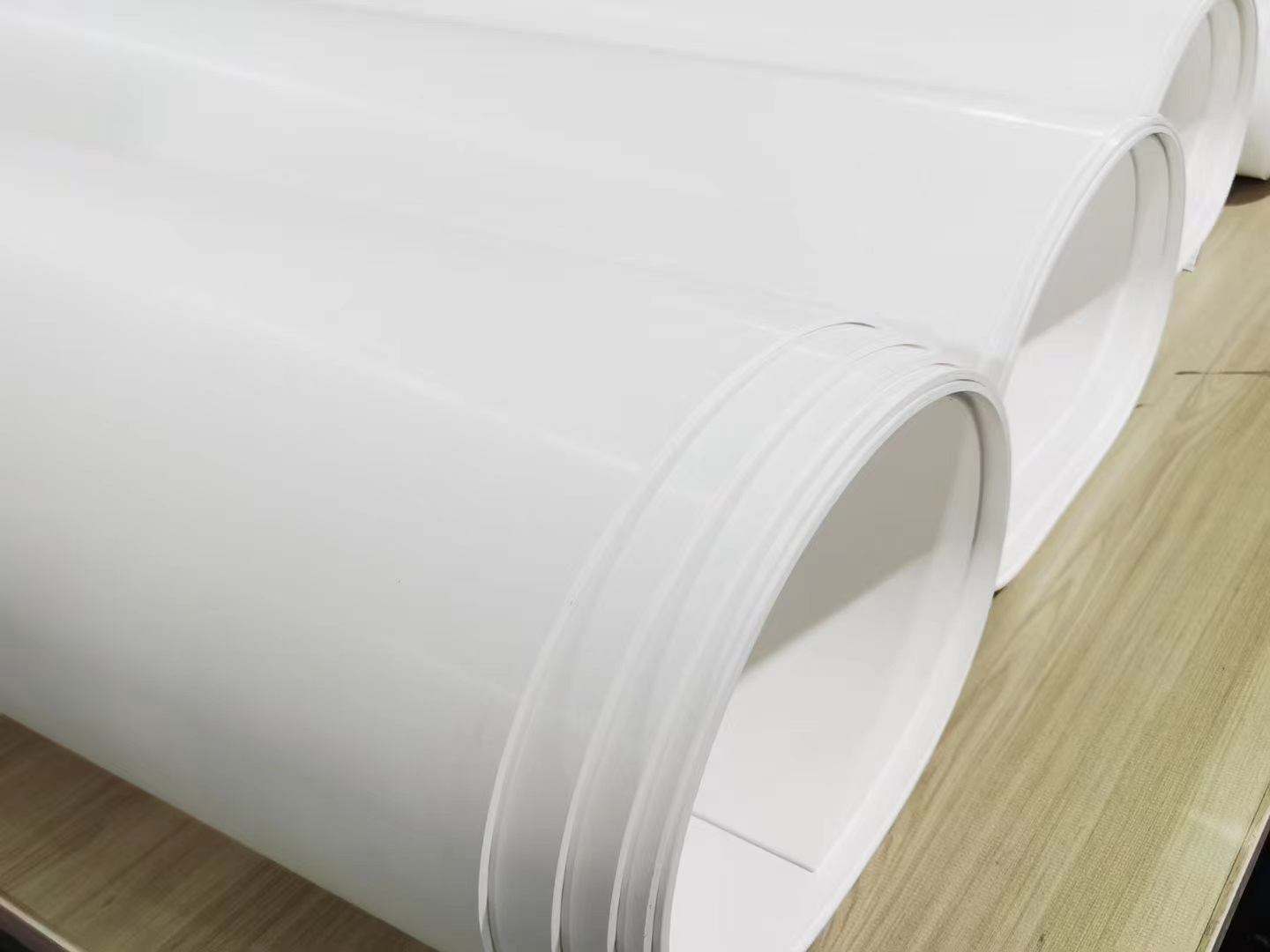
Pump casings and equipment covers create repeatable static joints that are often serviced on a schedule. Where the process medium is compatible, a sheet can be converted into a defined cover profile and reproduced for the same equipment. The benefit comes from controlling the cut geometry as well as selecting a conformable material.
*Record the sealing width, thickness, bolt-hole pattern, and available compression.
*Keep vibration, process-fluid changes, and maintenance intervals in the review.
*Use a verified drawing for repeat parts instead of relying on a material name alone.
Expanded PTFE sheet can also be considered for static sealing in food, beverage, and pharmaceutical equipment where chemical resistance and clean service are important. Typical locations include pipe flanges, vessel covers, processing equipment, and utility connections exposed to cleaning solutions or process fluids. PTFE is widely valued in these industries because of its chemical inertness, low surface energy, and resistance to many cleaning chemicals. These properties can help reduce material interaction with the process medium while supporting reliable sealing in regularly serviced equipment. For hygienic applications, however, material selection should consider more than chemical compatibility alone. Operating temperature, cleaning method, pressure, required purity level, and applicable food-contact or pharmaceutical requirements should all be reviewed before use. Where the same gasket profile is replaced repeatedly, expanded PTFE sheet can also provide a practical stock material for producing consistent static sealing components.
Semiconductor manufacturing is a relevant application, particularly around selected wet-process and exhaust connections where chemical exposure and cleanliness are central concerns. In a static joint with limited compression, the flexibility of expanded PTFE can be useful, but the semiconductor setting calls for a tighter material-and-process review than a general industrial connection.
The ePTFE gasket material question in this environment includes much more than the nominal chemistry. Engineering teams should confirm chemical concentration, gas or liquid permeation risk, temperature, vacuum conditions, particulate control, and system-level purity requirements. No industry label can replace that application-specific approval.
The most typical uses are chemical pipework, vessel and heat-exchanger covers, pump or compressor casings, selected semiconductor process connections, and other static joints with manageable surface irregularity. Each use shares the same logic: the sheet is considered when PTFE-based chemical resistance and improved conformability need to work together.
|
Application setting |
Why the sheet is considered |
What to verify |
|
Chemical equipment and pipework |
Conformability can improve contact on minor surface irregularities. |
Medium, temperature, pressure, flange load, and thickness. |
|
Pump or compressor covers |
A repeatable cut profile can suit a static cover joint. |
Vibration, bolt pattern, process fluid, and maintenance cycle. |
|
Semiconductor wet or exhaust systems |
Chemical resistance and cleanliness may be relevant to selected static joints. |
Purity, permeation, contamination control, and full exposure. |
|
Vessel closures and irregular covers |
The material can be cut to a defined sealing path. |
Joint geometry, compression distribution, and surface condition. |
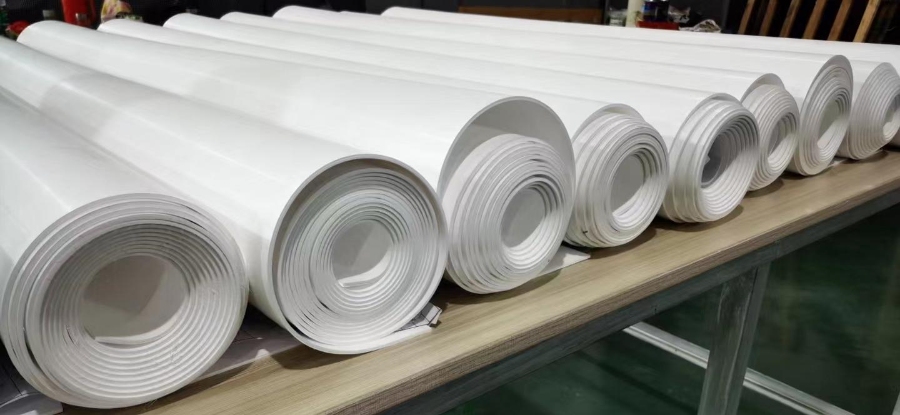
Expanded PTFE sheets solve a specific sealing problem: making a well-defined static joint more conformable without confusing stock sheet with a finished gasket or a joint-sealant tape. The next decision is to document the medium, temperature, pressure, surface condition, bolt load, and required cut profile. That record reveals whether sheet conversion is appropriate for the actual connection.
For projects that require repeat supply, experienced expanded PTFE sheet manufacturers can help maintain consistent material specifications and cut geometry across approved static joints.
Need expanded PTFE sheet for a specific sealing application? Share your medium, temperature, pressure, dimensions, and quantity with SunPass Sealing to discuss suitable material options and production requirements for your project.
No. The joint still needs compatible media, sound sealing faces, suitable bolt load, and an appropriate thickness. Sheet performance depends on the complete static-joint condition.
No. This article concerns expanded PTFE sheet stock. Tape is a separate format for different joint geometries and should not be specified as if it were a cut sheet or finished gasket.
It can be considered for selected static sealing duties. Confirm purity, process chemistry, contamination control, pressure or vacuum conditions, and permeation requirements for the exact system.
A custom part is useful when the same cover or flange profile repeats. A verified drawing helps control dimensions, bolt-hole placement, sealing width, and future replacement consistency.
Review the medium, concentration, temperature, pressure, joint geometry, surface condition, available compression, and whether the service includes cycling, vacuum, or vibration.
Sunpass Sealing Technology (Zhejiang) Co. LTD
• Zhejiang Top Sealing and Insulation Co.,Ltd.
• Echo Industry Limited
• Tenglong Sealing and Thermal Insulation Manufactory
 Add: No. 78 West Road Zhenxing, Lianghui Industry Zone, Yuyao, Zhejiang, China
 Tel: +86 574 62837603
 E-mail: sales@sealings.cn